
Physiotherapy for Menopause
You might be noticing some of the common signs and symptoms of perimenopause and menopause including:
Leaking when you cough, sneeze or exercise
A feeling of heaviness or bulge in the vagina
Increased urinary urgency or frequency
Pain with intercourse
Hip, back or pelvic pain that started around menopause
Feeling less strong or confident with exercise
Low bone density(osteoporosis, osteopenia)
Does this sound like you?
Our team of women’s health physiotherapists can help assess what’s happening and guide you through the next steps.


How can Physiotherapy help in Menopause?
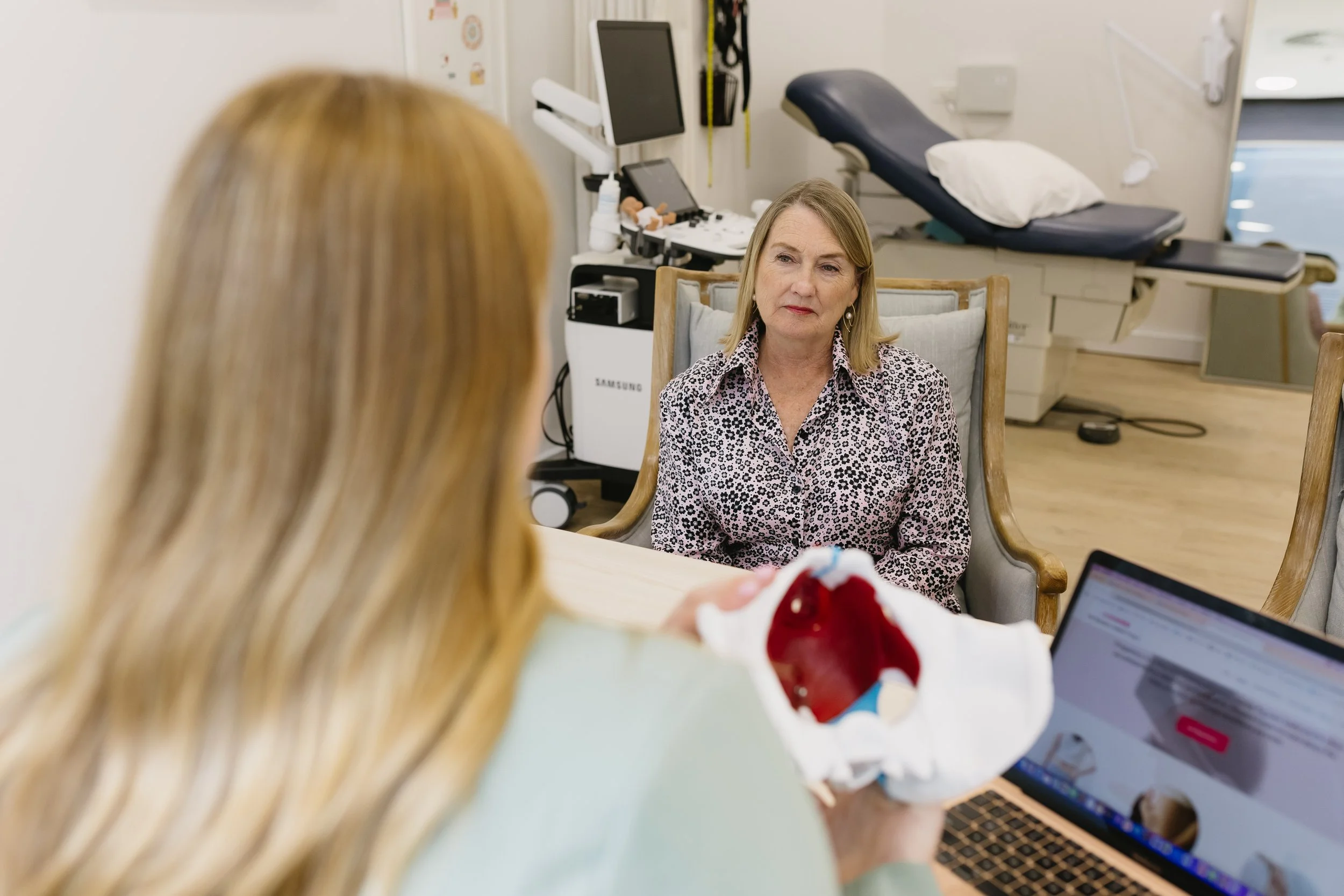
Women’s health physiotherapy can play an important role in managing menopause-related symptoms and supporting your long-term health. During your consultation, we take the time to understand your symptoms, goals and lifestyle before developing a personalised treatment plan.
Treatment may include:
Pelvic floor assessment and training
Strategies to improve bladder and bowel control
Support and management for pelvic organ prolapse
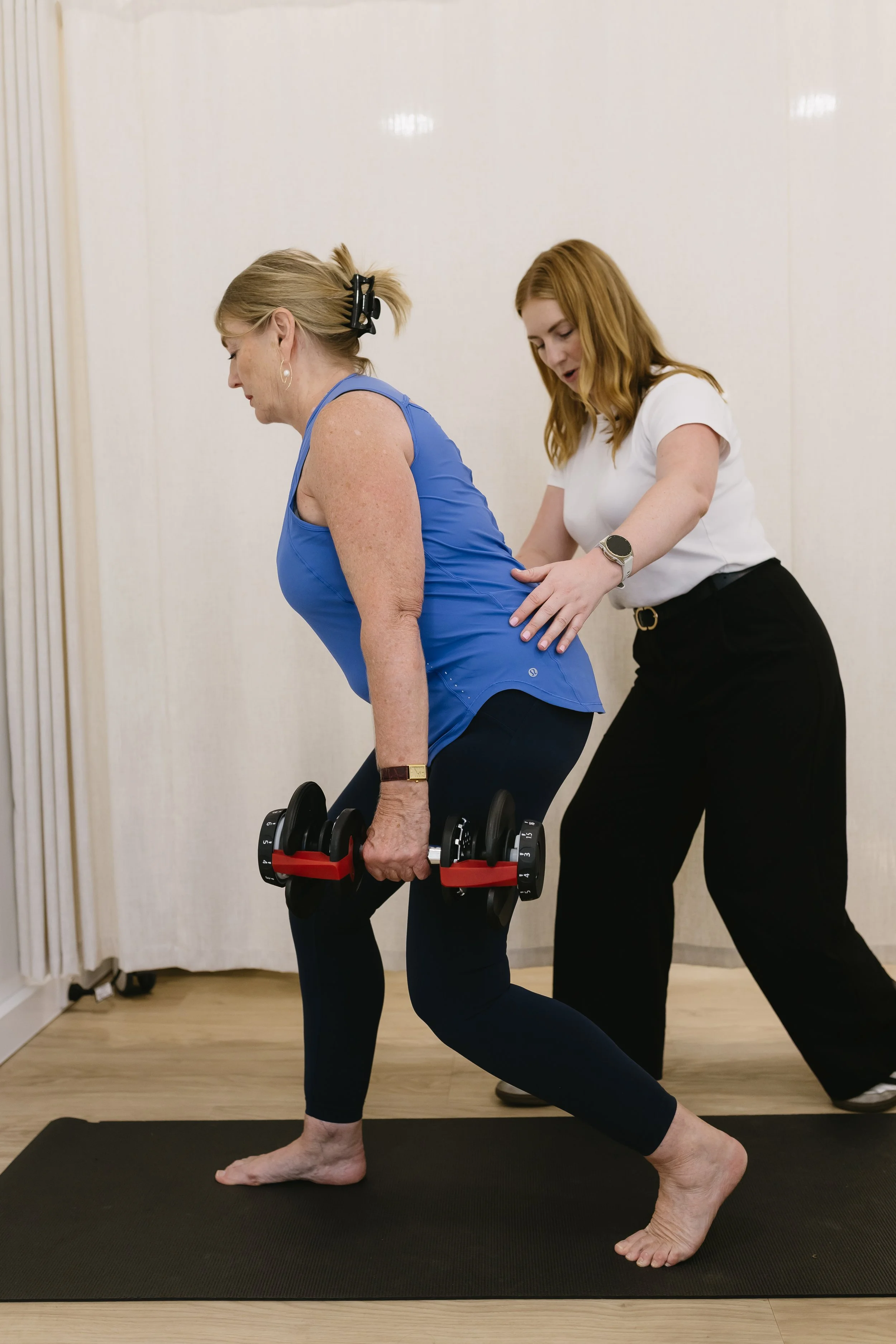
Strength and resistance exercise programs to support muscle and bone health
Treatment for hip, back and joint pain
Guidance on safe and effective exercise during menopause
Advice on long-term pelvic and musculoskeletal health

Common Questions About Menopause
-
Yes. Hormonal changes can affect the muscles and connective tissues of the pelvic floor, which may contribute to symptoms such as bladder leakage or prolapse. Targeted pelvic floor training can help maintain strength and support.
-
Bladder leakage is common, but it is not something you have to live with. Physiotherapy can often significantly improve symptoms.
-
Strength and resistance training are one of the most effective ways to support muscle mass, bone density and overall health during and after menopause.
-
Yes. Pelvic floor physiotherapy can help improve support, reduce symptoms of heaviness and guide safe exercise.
-
Your first consultation is a thorough assessment of your symptoms, goals and movement.
Depending on your concerns, this may include:
Discussion of your symptoms and health history
Assessment of posture, movement and strength
Pelvic floor assessment - this may include an internal pelvic floor exam (only with your consent) or an ultrasound with the probe placed over your lower abdominal wall (for a more basic assessment of pelvic floor function)
Development of a personalised treatment plan
Pelvic floor exercises
Bladder and bowel strategies
Strength exercises
You will leave with clear strategies and exercises tailored to your body and goals.